
Best Tips for First Time European Backpackers
Heading to Europe for the first time ever this summer? Here are best tips for first time European Backpackers and first time international travelers. The first time I ever traveled to Europe was after college, when I flew to Paris to start a six-week long backpacking trip. Although the trip taught me a lot about myself (ahem, classic european backpacking trip), there are things I wish I knew before I ever got started. Learn from what I say, not as I do. Since then, I have been to Europe several times, and can now say this advice is tried and true. If you are backpacking through Europe this summer, here are the top tips I wish I had when I did it for the first time.
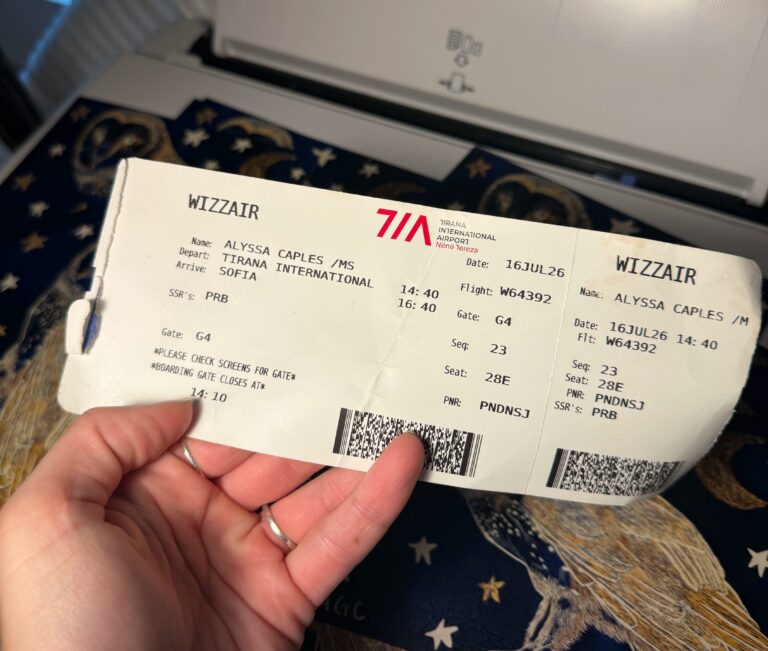
- Is Wizz Air a Real Airline?
- The Ultimate Guide to Washington Hiking Passes: Which One Do You Actually Need?
- 7 Best Hikes Closest to Seattle during FIFA World Cup
- 45 Creative Travel Journaling Prompts
- How to Keep a Travel Journal
Affiliate disclosure: This post contains affiliate links. I only recommend gear I’ve personally used and would buy again. If you buy through my links, I may earn a small commission at no extra cost to you.

Best Tips for First Time European Backpackers
1. Check Passport Requirements for Every Country
Best Tips for First Time European Backpackers Tip #1: Check ID Requirements
Check which countries require you to have your passport on you at all times. Italy legally requires you to carry official ID like a passport at all times, but this is especially true when using transit. While exact numbers are notoriously hard to pin down because so many tourists don’t bother reporting it, local authorities in popular hubs like Rome have noted a staggering 68% surge in pickpocketing and transit-related thefts over the last few years.
Pickpocketing and other scams are extremely common in high tourist places like Rome, Barcelona, or Paris, so make sure to be cognizant of how you store important personal items on you. In general, I would recommend keeping things locked away unless critical or legally required.
For a quick sanity check before you go, you can browse the US State Department’s European travel guidelines to see which countries will fine you for leaving your passport in your hotel safe. I’ll be writing a full post on my favorite anti-theft gear and how to lock down your backpack soon, so keep an eye out for that.
2. Pack Light and Avoid Bringing Too Much
Best Tips for First Time European Backpackers #2: Less is More
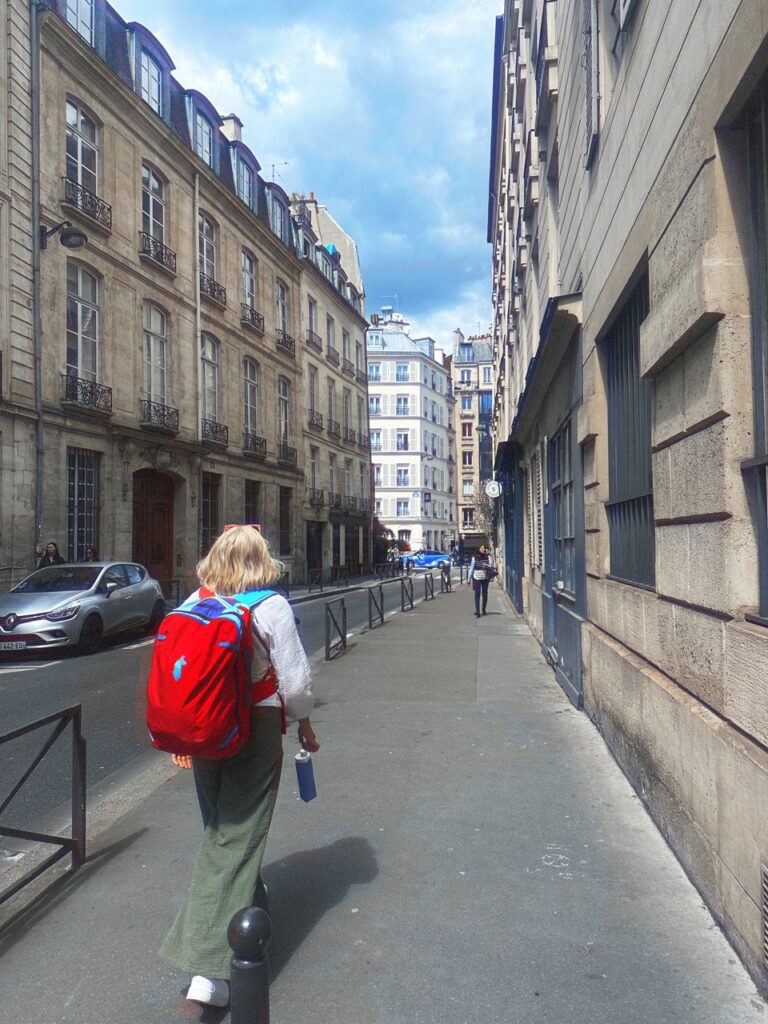
Every ounce counts when you’re traveling. My bag was fairly light in the beginning, but by the end, my bag was so heavy due to my magnets, hats, and other souvenirs. You want to avoid using a standard daily commuter pack and opt for a proper travel pack like my Cotopaxi Allpa 35L that fits comfortably in overhead bins but has backpack straps for easy city-hopping. Some people like to use an outdoor backpacking backpack, but I find them a little bulky since optimized for the outdoors rather than slim city-travel. (You aren’t usually bringing a sleeping bag on international trips to Paris and London!)
When packing, put heavier items in the middle and distribute weight evenly so you aren’t constantly fighting a swinging bag. Keep your quick toiletries, chapstick, and transit documents in easily accessible pockets. From experience, there is nothing worse than having to dump your entire life onto the floor of a crowded train station just to find your passport. 🙂
Leave Room for Shopping
Plus, you are going to do a lot of shopping when you are there: grabbing souvenirs, thrifting, and picking up cute boutique items.
Choose Quality Basics and Layer
Focus on bringing a few quality basics that pack light: t-shirts, tank tops, one or two pairs of pants/shorts, and a skirt. These longer trips really push low quality gear to their limits. By the end of the trip, I had to throw out some clothing since it was peeling and had holes on it. I had been wearing it so often and was hand washing it, so it made sense to say goodbye to the pieces. Keep in mind if you are someone who doesn’t want to shop to replenish clothing.
Avoid the Uncomfortable Outfits
I try on every single item of clothing paired together before I go. If I feel slightly uncomfortable in an outfit, whether it is ugly or just not that comfy, then it can’t go with me. When you wake up every day and can only pick between three items, you realize pretty quickly what you actually want to wear.
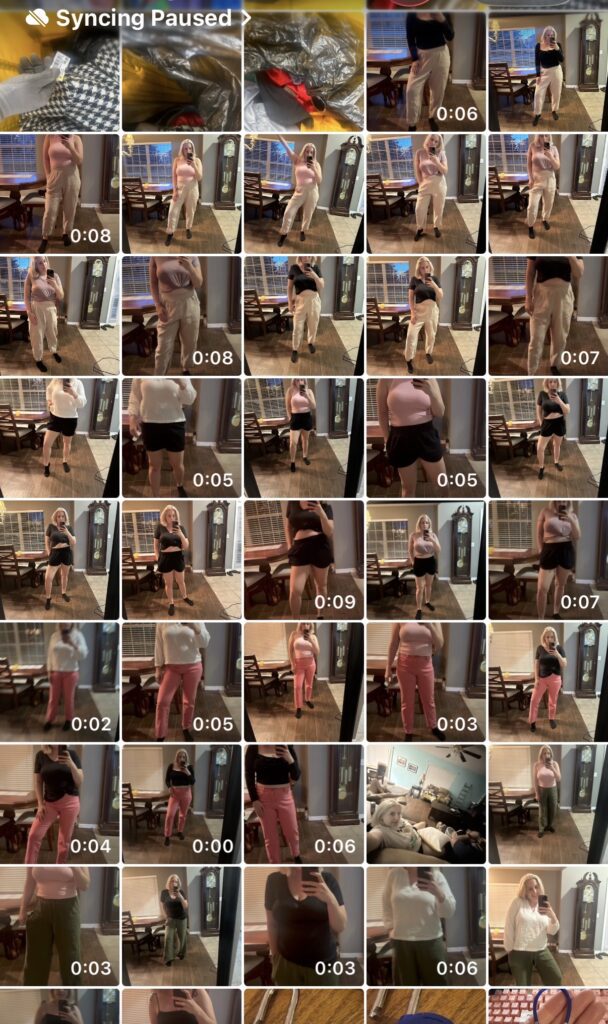
I am not kidding! Here is a screenshot of my camera roll from May 2023, where I took a picture in every single one of my outfits before I left. It helped me reduce some my items that I wasn’t completely comfortable in. I wanted items that I would reach for consistently. I eliminated any items that didn’t pair with the majority of my items, meaning items that didn’t work with all the bottoms or tops. I also removed any items that were too bulky and were already “represented” in the closest. For example, I didn’t bring multiple pairs of jeans since one would do.
Alyssa’s Tip: I got advice before I went to bring clothing that was dry-fit, so you could easily hand wash things in the sink and they would dry quickly. That ended up meaning mostly exercise gear. I tried to make sure the majority of my shirts were dry-fit and I later regretted doing it, The person who gave me this advice was backpacking and traveling in the 90s, which was a completely different environment. So it makes sense for her. Considering I was taking a lot of photos and posting them, it felt like I didn’t have a ton of cute clothes… Let’s face it guys, we want to look cute on our travels!
I really wish I had prioritized good quality casual clothing, since you do have access to a washing machine. Many hostels and hotels have them for a small fee. Since I stayed at most places more than one night, it also wasn’t an issue of time. It was annoying that I had to wear the dry fit t-shirt a few times, while my friends were wearing cuter tanks or shirts that looked nice. Midway through the trip, I started thrifting other shirts, just so I could replace some of my overworn outfits.
Since that large backpacking trip and since college in general, I have made my closet more high quality reusable since stronger one-off pieces are harder to pair when traveling. I try to find cute comfortable clothes that will go with a lot of different items. I try to minimize buying clothes in prep for a trip unless I really really need a particular item, since without fail, I will always buy something on my trip to commemorate the special occasion.
The 1-2-3-4-5-6 Packing Rule
Packing light isn’t just great for your shoulders; it’s a huge win for sustainable travel since lighter loads mean lower transit carbon footprints. If you’re struggling to trim down the closet, try adopting REI’s 1-2-3-4-5-6 packing rule (which is one hat, two pairs of shoes, three bottoms, four tops, five pairs of socks, and six pairs of underwear). It forces you to rely on layering and versatile, multi-purpose items rather than packing for “just in case” scenarios. I find it best to be a maximalist at home and a minimalist when you travel.
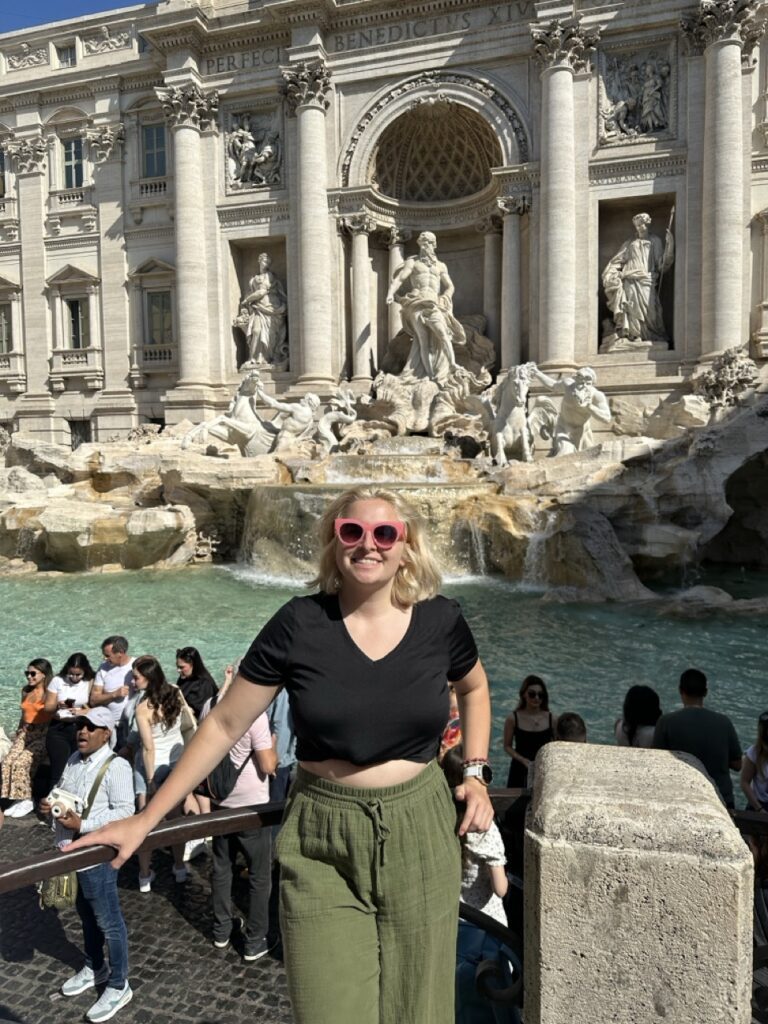
3. Book Popular Hotspots in Advance
Best Tips for First Time European Backpackers Tip #3: Beware Peak Season
Western Europe Summer Peak Deadlines
There is a preconceived notion that these backpacking trips don’t have to be planned out that far in advance, and in general, they really don’t. But it actually depends where you are going.
If you are staying in Western Europe, the best bang for your buck hostels/hotels will likely be sold out. During summer peak season (June to August) in major tourist hubs like Amsterdam, Paris, and Rome, you really need to book your hostels 2 to 3 months in advance to get a highly-rated spot close to the center. Otherwise, you’ll be priced out or stuck miles away. One life-saver strategy is booking hostels that offer free cancellation, so you can lock in a spot early and still pivot your route if your travel plans change.
Major Attractions Sell Out Fast
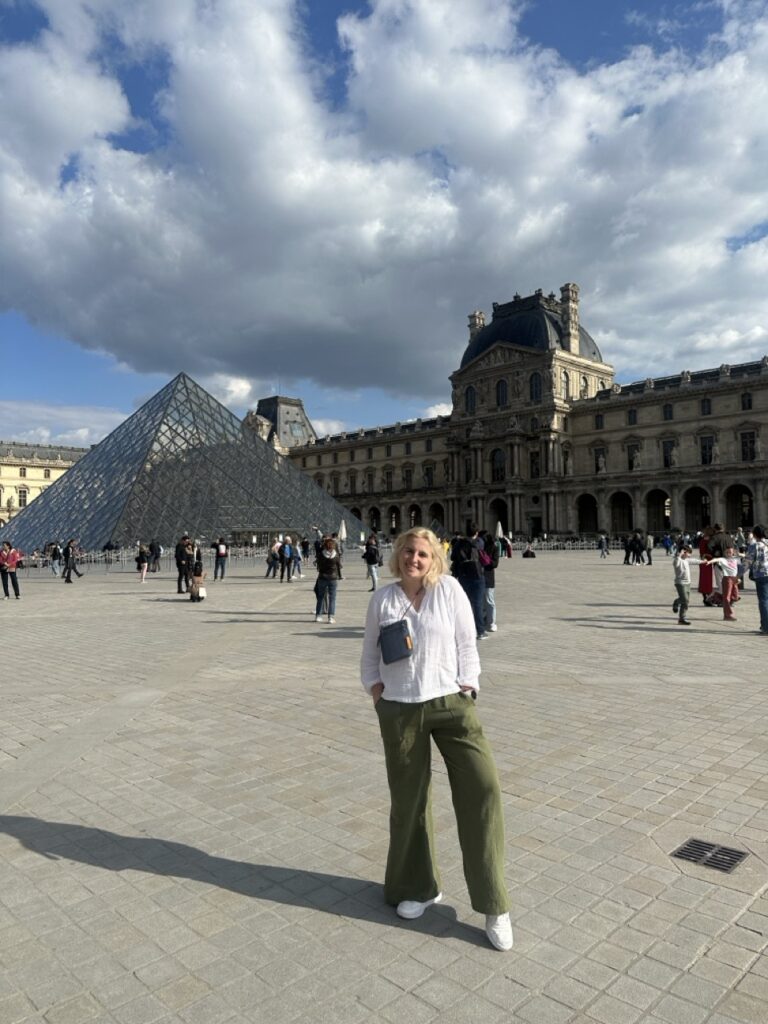
It will be a lot harder to get tickets to the Colosseum or the Louvre. You may have to be more creative and choose a guided tour, or wait in line at 8 AM. Nothing is impossible, but there is a trade-off of price, convenience, and flexibility. You can really only have two!
When I arrived to Paris, I thought I could just stroll into the Louvre without a ticket. 100% wrong. We only found one opening, an hour before the Louvre closed. We ran there, saw the greatest hits, and ran out. It was nice, but it made me very stressed as went around the biggest tourist areas in Europe (Paris, Barcelona, Rome) since I felt I was ill-prepared. Next time, go in the off-season towards September, or book well in advance.

Spontaneity in Eastern Europe
Eastern Europe is less touristy as a whole, so you will be able to change your trip as needed. The trade-off is that there is less availability for getting around the region: fewer buses, trains, and flights. You will need to adjust your plan to a limited schedule, or again, you will have to evaluate the trade-offs: price, convenience, and flexibility.
4. How to Meet People and Find Local Gems
Best Tips for First Time European Backpackers #4: Chatterbox hour!
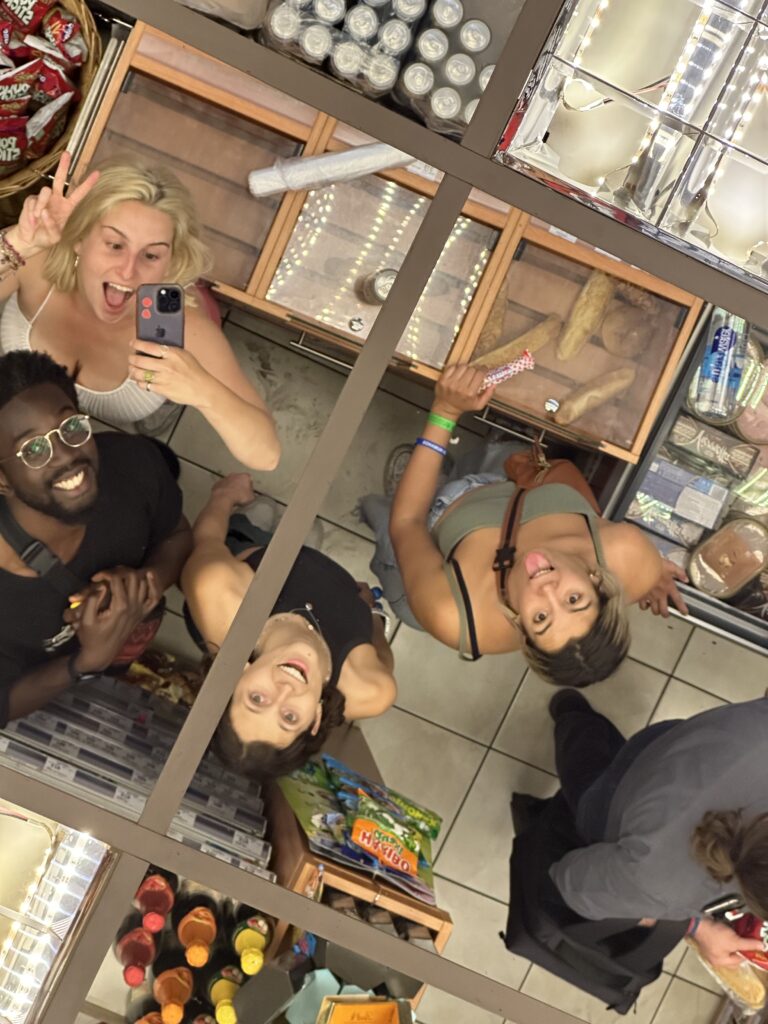
Be Social at Hostels and Hotels
Most people in these situations are open to meeting new people at hostels or hotels, so just be friendly. Lots of people travel in small groups or solo and are looking for nice people to spend time with. It could turn into a long-lasting friendship, or at least someone to enjoy a meal with. Both are meaningful and make the trip special. Casually meeting other travelers is one of the best parts of vacationing. Talking to locals and other tourists is the how you discovering the Best Local Spots. It is a good way to figure out the best activities in a certain area and where the best places to go are. It help you find unexpected plans and make new friends. I had a friend who ended up traveling with someone they just met for a couple weeks!
Tours and Tipping Etiquette
Lots of places will have tours; free walking tours do not mean free, you need to tip the guide. Bar/pub crawls are a great way to go to a few different bars with a built-in social crowd and not worry about where the cool bars are.
Finding the Trendiest Venues
The trendiest places are not going to be in a travel blog (ahem, unless it’s mine ;), but in reality, the trendiest places for your particular location are highly dependent. In most cases, the best bar is the one two doors down. The best restaurant is the one downstairs overlooking the water. You already traveled so far, you are doing the best thing by being there.
5. Airfare, Train, Bus, or Car? Pros & Cons
Best Tips for First Time European Backpackers #5: Figuring out how to get around Europe
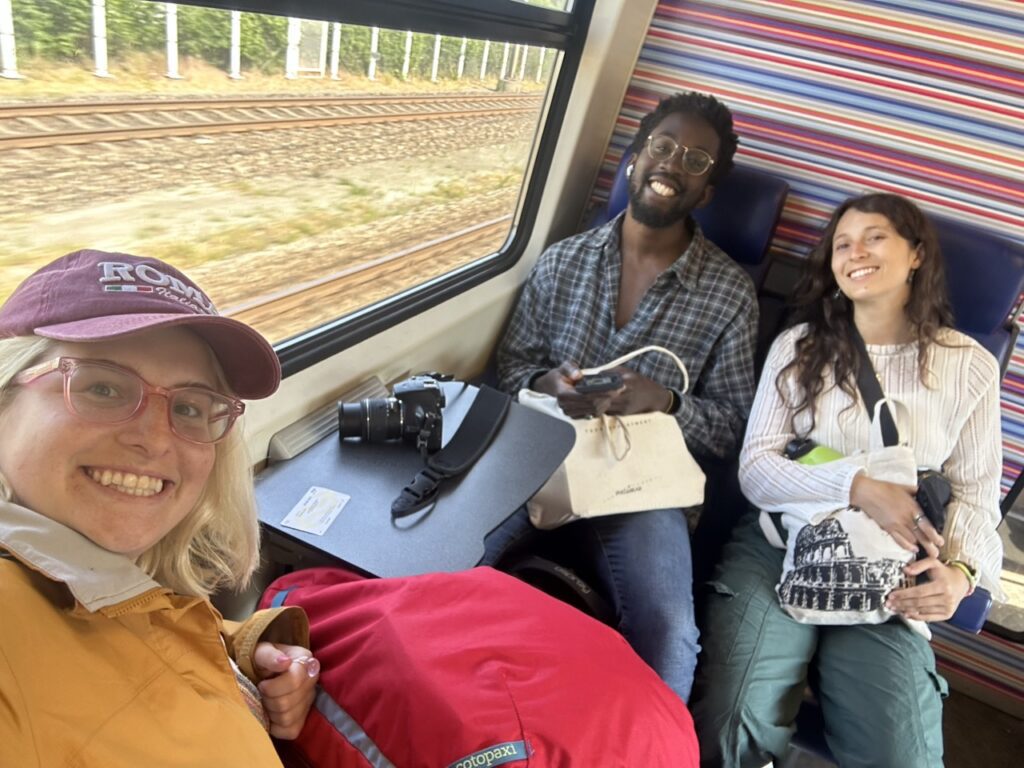
Flights: High Costs in 2026
Airfare is a very expensive year for flights, even for budget travel. Transatlantic tickets for 2026 are averaging 10% to 15% higher than previous years due to rising operational and jet fuel costs. Keep in mind that flying can add stress compared to other forms of transit since there is always something going wrong, especially for budget travel. Also, with Europe’s new biometric Entry/Exit System (EES) now active at border checkpoints, passport control lines at airport arrivals can take significantly longer than they used to, so factor that queue time into your transit plans.
For many budget airlines like Ryanair or EasyJet, it was expensive to add bags. The cost of adding a carry-on or checked bag can sometimes double the base price of a budget ticket. By the end of my first trip, we would have saved more money and stress by just taking a bus or train between destinations. Having to get to the airport several hours early and worrying if our bags were too big was super anxiety-inducing!
Buses: Relaxing and Budget-Friendly
Buses are a great way to travel, especially for short trips. I found this to be the most relaxing form of travel. It was straightforward, and I was usually going between well-populated city centers. If you are planning to travel this way, booking a quick ride on FlixBus or BlaBlaCar Bus is incredibly cheap and easy to manage last minute. You don’t have to book these that far in advance, as I have done it a few hours in advance.
I took the bus to get from Rome to Florence, which I highly recommend, as it was a relaxing ride through the Italian countryside with minimal stops. I also took an overnight bus from Germany to Berlin, which wasn’t as nice since every few hours the bus made stops and turned all the lights on. Sleeping was pretty tough that day.
In general, my approach to booking travel: if I know that I want to be in a place at a certain time, I should book in advance. If I am being flexible intentionally, then I can be flexible and not worry about it.
Trains: Convenient Rail Travel with Eurail
Trains are usually pretty straightforward, but make sure to pay attention to the schedule if there are any train strikes. Trains are awesome, but they can be a more expensive option or a longer option. There are ways to make this cheaper by getting a one-month Eurail Pass to use around Europe, which offers great flexibility compared to buying point-to-point high-speed tickets last minute. I used the train for navigating around Finland, Portugal, and Italy.
Cars: Dealing with Narrow Lanes and ZTL Fines
Driving in many European cities can be stressful. They have different road rules, plus roads are usually much smaller than American lanes. Doing one-way car rentals can be more expensive. Taking a rental over country borders is also quite expensive. In Italy, driving into restricted historic city centers without a permit will land you a €80 to €300 camera fine in limited traffic zones (ZTLs) that will show up on your credit card months after you return home, plus hefty processing fees from your rental agency. You can check Rick Steves’ guide to renting a car in Europe to see how to navigate driving laws, permits, and rental checklists to protect yourself from hidden fees. I took Ubers in Portugal pretty regularly with no problem.
6. Hostel Essentials: Towels, Locks, and Linens
Best Tips for First Time European Backpackers #6: What do you actually need to bring?
The Real Cost of Peak-Season Hostels
Keep in mind that most of the things a tourist would need on a trip can usually be bought or rented at the hostel/hotel. Bringing your own locks and towels is an easy way to save money. It will likely be under $5, but sometimes those hostels only cost you $20 to start with 🙂
Just keep in mind that the “$20 a night” hostel dream is mostly restricted to Eastern Europe now; if you’re hitting up Western European hotspots in the summer, expect dorm beds to hover closer to $40 to $75 per night.
Lockers, Towels, and What to Pack
I always bring Tevas or Crocs as flip-flops for the showers, a shower cap, and two padlocks. I used to travel with a quick-dry towel, but those towels get old fast, especially if it is your main towel.
When packing specifically for hostels, check out Hostelworld’s ultimate packing essentials guide. You’ll definitely want a sturdy combination padlock (flexible cable locks are best because locker latch sizes vary wildly across Europe). A lightweight, fast-drying microfibre towel is non-negotiable since many hostels either don’t provide them or charge rental fees. You can skip packing pillowcases or sheets—almost all modern European hostels provide clean linens automatically, so you can save that precious backpack space for souvenirs.
7. Document Your Journey: Write Shit Down
Best Tips for First Time European Backpackers #7: Treasure your adventure!
Capturing Memories Over Autopilot
My first Europe trip was three years ago! Oh, how time has flown. That means three years ago, I graduated college. Aside from the usual political chaos, Europe has rolled out the new biometric Entry/Exit System (EES) at border crossings, and they are planning to launch the electronic ETIAS visa waiver system later this year.
During the course of my trip, I took tons of videos and pictures—some of which ended up in my first Europe backpacking travel vlog! I wrote down my favorite memories of each city.
Quick Prompts to Capture Your Day
I’m planning to write a full journaling guide for travelers soon, but in the meantime, here are a few quick prompts you can write down in a dedicated travel journal to capture the day: What specific weather and temperatures hit you when you arrived? What were three distinct sounds you heard near the train station? What did your first meal taste, smell, and look like? Did you learn any local slang today? These are the tiny details that bring the trip back to life years later.
If you want to keep a digital travel journal instead of carrying a paper notebook, platforms like Polarsteps automatically track your path on a neat visual map, while private platforms like Day One are awesome for long-form, distraction-free writing where you can attach photos.
The Photo-Taking Impairment Effect
I think it is important to write stuff down, because as time passes we only remember the things we actually try to remember. In cognitive science, this is actually backed up by the photo-taking impairment effect—basically, when you take a photo of something, your brain treats it as “cognitive offloading” and immediately forgets the details because it knows the camera is doing the remembering for you. So if I want to have my brain filled with sweet, vivid moments of Barcelona, like eating papas fritas and hearing a man yell mojitos on the beach over clubbing (lolz), I need to write it down. I will also never forget the bar that had bottomless sangria.
I also ranked all the sounds of sirens in Europe, since before I went there I only knew them from the sound of disaster movies.
8. Always Carry a Reliable Portable Charger
Best Tips for First Time European Backpackers #8: Yeah, you need to bring a portable charger!
This is probably just good advice anywhere!
In general, you use your phone a lot more than you would in your normal day (kind of like how you are using your brain a lot more – no autopilot). Most stores will sell a backup if you are stranded (happened to me in Tokyo), but given you are juggling pictures, google maps, and finding your QR code/tour booking in your email, it is good to have a backup portable charger ready in your pocket.
9. Book Popular Dinner Reservations Ahead
Best Tips for First Time European Backpackers #9: Avoid Being Hangry and Confused
Increased Brain Power & Increased Exhaustion
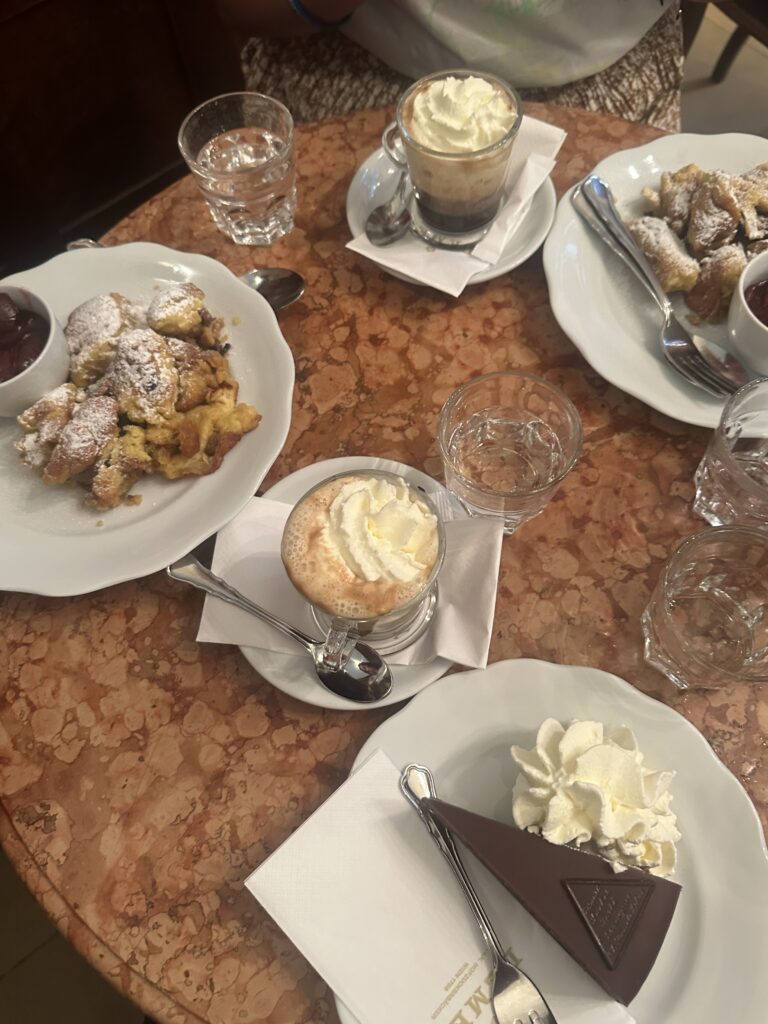
I am not a true foodie, so I struggle with this, but when you get to a place, everything can feel so overwhelming!! You make a lot more choices when you travel, especially when you travel without a group. When I say choices, I mean deciding which sink or bathroom to use, following a map, and constantly figuring out where you are going. In cognitive science, this is related to the return trip effect—where our brains overestimate time on the outbound journey due to unfamiliarity and anticipation, but calibrate expectations by the time we head back, making the return trip feel much shorter in hindsight.
Prior to your trip, pick out a few food places, or better yet, ask your hotel and hostel for recommendations 🙂
Finding Tables: Apps, Timing, and WhatsApp
For major food cities like Paris, Rome, or Barcelona, walk-ins at popular spots are becoming a relic of the past. If you want to secure a table at a highly-rated or trendy local spot, you’ll need to book 1 to 2 weeks in advance using apps like TheFork (which is what everyone uses in Europe lol). For top-tier Michelin-level dining, think 2 to 4 months. If you’re flying by the seat of your pants, aim for lunch service (it’s easier to book and cheaper) or look for spots that take reservations via WhatsApp (which is awesome!).
In my dream world, I would have my best friend go to every place before me and tell me what’s good. Too many choices overwhelm me!!! Maybe that’s why I started a blog… to help others 🙂
10. Prioritize Your Health and Self-Care
Best Tips for First Time European Backpackers #10: Slow Down and Meet Yourself Where You Are
Outward Focus vs. Travel Burnout
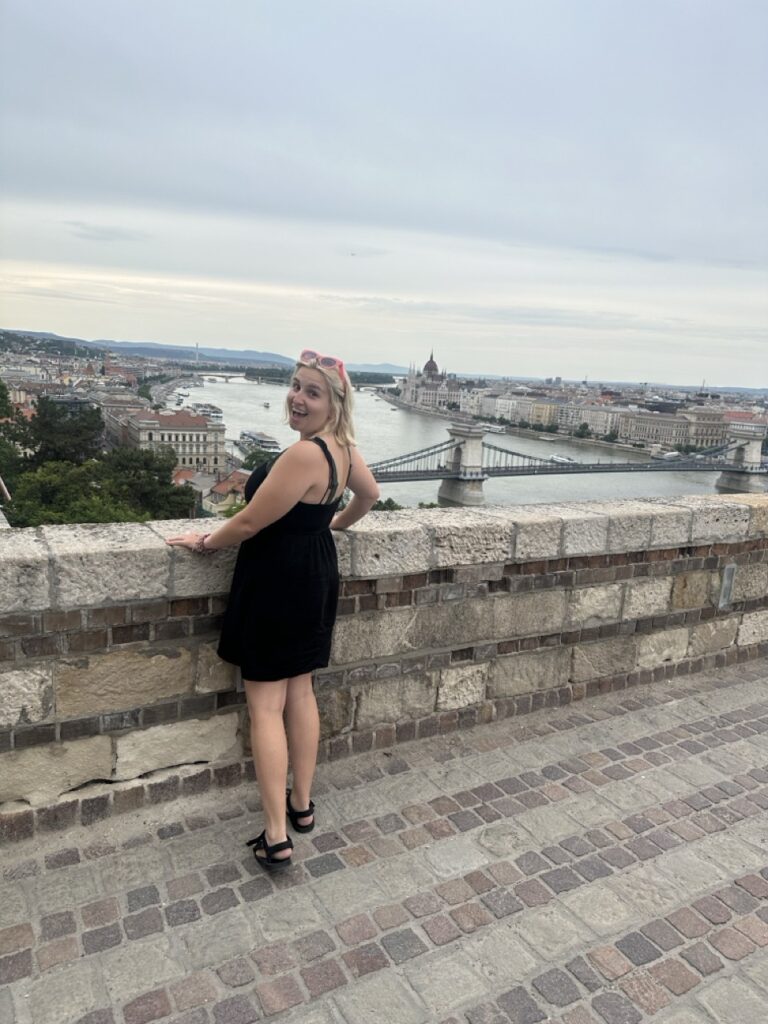
It is so so so easy to get swept away in the adventure… after all, how often do you get to do things like this? Statistically, only about 6.5% of Americans make it over to Europe annually, so it really is a special, bucket-list trip for most of us.
For most people in the USA, traveling to Europe on big trips is not a regular occurrence, so celebrating it properly means making it more of an adventure with nonstop sightseeing more than a relaxing trip spent near the sea.
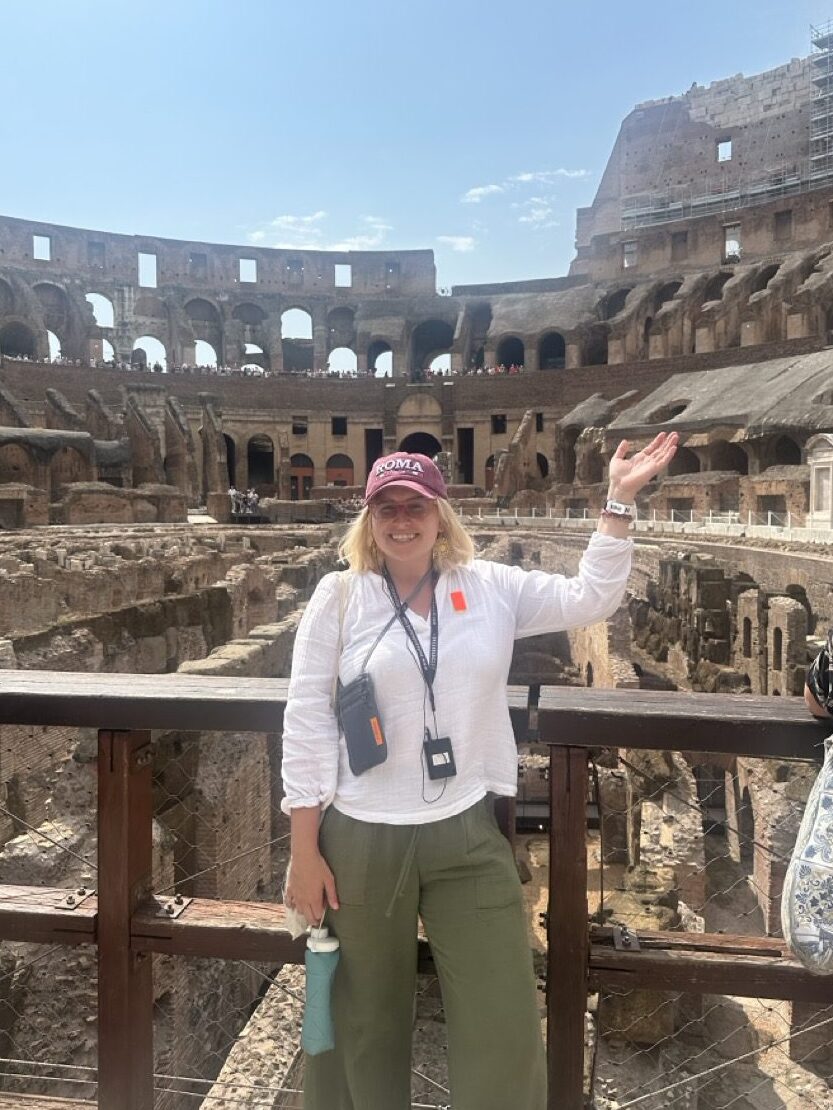
For me, I really struggled with this. When I flew to Paris for my first time ever in Europe, I was so anxious that I couldn’t sleep (plus, you know, the jet lag). I hadn’t booked all the things I wanted to book (like the Louvre in Paris), so I had to rapid-fire book tours for my next location, Rome. Without thinking, I tired myself out with a week straight of non-stop activities: all-day buses, museum visits, historical sites, bar crawls, group bike rides, and hostel walking tours. I was spent. By the end of Rome, I became sick, and I still had a vacation to enjoy.
Taking a Vacation from Your Vacation
After that, I learned my lesson in Rome, and practiced it in Vienna. I was traveling through Europe with my friend Sierra, and my friend Camille joined me for a couple of weeks. By the time I arrived in Vienna, I was feeling sick again, so I spent the night reading in bed instead of going out drinking. It was one of those sick days where you could either sleep it off or drink, but you can’t do both (alcohol hurts your immune system). Sierra and I had a long discussion about FOMO, where you have to learn to accept the feeling of FOMO in order to do what’s best for you, even when it sucks. If you go on these long backpacking trips, life will inevitably happen. You might get sick, you might run out of shampoo, or you might just need to slow down. It will be fine. This trip is meant to nurture your brain as you experience parts of the world you haven’t seen before. Do it well-rested and healthy.
Part of travel self-care is learning to actively take a “vacation from your vacation” day. Schedule a day where you do absolutely nothing but sit in a cafe, read a book, and let your brain catch up with your body. Hydrate constantly (double what you think you need), carry a daily multivitamin, and don’t feel guilty about sleeping in when your feet are telling you they’ve had enough. You can read more about travel wellness tips and combating exhaustion in HI USA’s guide to preventing travel burnout.
Recommended Gear Links (From My Personal Kit)
If you’re gearing up for your own trip and want to support the blog, here are the exact products I pack and swear by:
- Packs & Storage:
- Travel Backpack: Cotopaxi Allpa 35L
- Toiletry Bag: Sea to Summit TravellingLight toiletry bag
- Clothing:
- Socks: Darn Tough socks
- Sunscreen: Sunscreen
- Footwear (Camp & Commute):
- Comfort & Travel Accessories:
- Travel Pillow: NEMO Fillo Elite Pillow
- Transit Reading: Kindle Paperwhite
- Portable Charger: Anker Portable Charger
- Travel Journal: Travel Journal